Showing posts with label Grass Snake. Show all posts

Sunday, 18 May 2008

Grass Snake Sighting

Well if the weather of the last week is anything to judge by, it looks as if we have had our summer here. I have been made jealous by seeing the weather forecast from other parts of the country, but this morning we all shared the rain. Therefore, I was not expecting to see to much this morning when I went out for a walk. After all most wildlife will avoid the rain, unlike odd ball hippy wildlife watchers.

However I thought I would take advantage of the wet ground to see if I could find tracks or signs. Apart from dogs paws there seemed to be very little signs of anything. So I went down to the river to see if anything was active down there, not expecting to see much. After a stroll, well more of a slide, I found myself close to where the grass snake winter quarters were built last year, so I thought I would see if there was anything utilising this.

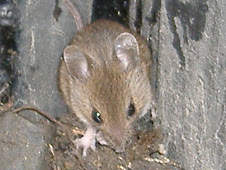
While the Grass Snakes would not have used it for hibernation this winter, many other creatures could have and may be using it. Therefore I was delighted to see a grass snake near the structure. I tried to move quickly and went... well my back and buttocks were wet and caked in mud. I lost sight of the snake. I suspect that this mouse frightened it off and into the water.

There are times when constructing something like this doesn't have the desired effect, but if I haven't frightened this one off, it looks as though the effort was worth while.

Well I must be a glutton for punishment as as soon as this posting is sent, I will be heading out looking for the badgers.


Sunday, 4 November 2007

Welcome to the Grass Snake Hotel

With any conservation project the amount of work that can be completed is directly proportional to the hard work and dedication of the volunteers. The building of one Snake Hibernacula was ambitious to build two was going to be difficult but achievable. Therefore in planning what work was needed to be done, two days were allocated to this project.

One of the greatest difficulties was always likely to be that the ground where the pits needed to be dug. As this is a woodland area, that meant digging through tree roots, and anyone who has done any gardening near trees, will know, this is never easy. However, we are blessed with a light sandy soil down by the river, therefore digging would not be as bad as it could be. Thus a balance was there and fortunately on the day the unseasonably good weather held up making the work easier to carry out. While it was still hard work as more than one tonne of soil had to be dug out of each pit, the pits were quickly created.


The pits are made two meters by two meters and about forty centimetres deep, with a slope to wards the south. That way they can drain and will stop them becoming frost pockets. These pits are then filled with logs that are at least twenty centimetres across and laid crossways on two layers. This creates an area of air that is warmer than the ambient air temperature, and even if this log filled pit becomes water logged, that water will not lead to the air within the hibernacula freezing, therefore not harming or killing the snakes inside.


Those logs bring the pit back up to the ground level; at this point the actual accommodation is constructed. This is made up of smaller branches, from ten centimetres down to twigs, stacked so they are in an east west orientation. The orientation again is important so that at sunrise in particular, and less so at sunset, the sun warms the branches at the entrances so that the air temperature is kept higher than the ambient air temperature and frost-free. This stack is built up so that its about eighty centimetres from the ground. All the spaces in this pile are there so that the snakes can find cosy places to sleep out the winter free from predation or disturbance.


Then an insulation layer is put on the logs. While turf would be ideal, as Chopwell wood doesn’t have great swathes of grass anywhere, we used bracken something we do have lots of. Often it is a matter of making minor adjustments and using the materials available, rather than not doing something because you don’t have what’s ideal. Therefore with the logs insulated the soil from the pits is used to cover the hibernacula, leaving the East and West sides open.


The volunteers worked their socks off, and two hibernaculums were completed in a day rather than the two days expected. Friends of Chopwell Wood, and the Durham Biodiversity Action, were really lucky to have had such hardworking and dedicated volunteers. Thanks folks, and I am sure that the Grass snakes will send their thanks too.


All we need to do now is find the tenants!
So to all you grass snakes out there, free accommodation.
(We don’t mind if the Grass Snakes are Squatters either)

Beautiful Location


Friday, 2 November 2007

Enhancing Biodiversity


This weekend the Mouse is going to be busy helping to build not one, but two, Grass Snake Hibernacula in the wood. While climate change may be bringing new species further north, we are at the northern limit of the normal range for Grass Snakes. Unfortunately there has been a decline in the population in recent years due mainly to a loss of habitat. All those overly tidy gardens, spraying of herbicide and modern agricultural practices have all contributed to this. However along the Derwent River, there is an opportunity to reverse this decline by enhancing the habitat for the Grass snake.

Many of the elements are already there including the snakes, it is just a matter of managing the area so that it enables these reptiles to maintain a strong belly hold.

The area that the Grass Snake hotels are to be built in has already had some coppicing work done, this opens the area up to the sunlight and will provide the basking areas the snakes need so that they can raise there temperatures, being cold blooded this is vital to their survival. The fact that the area where the Hibernacula are to be constructed is an area that has to be coppiced regularly is all part of the careful planning and long term viability of the project. Further, because of the need to create piles of composting vegetation so that the snakes can breed and nest, also helps deal with another problem of the highly invasive Himalayan Balsam. This introduced species has created a large colony that has been smothering out all other plants. By utilising these plants as the material to create the compost heaps has the effect of benefiting the Grass Snakes as well as dealing with the invader.

Therefore, while this work will directly benefit the Grass Snakes, it will also help the native plants to re-establish themselves and benefit many other forms of Fauna and Flora too.

It will not be until next year that we will know if there are any snakes using the hotel, but there are snakes in the area, not just grass snakes but the even more endangered adder as well. All this work could benefit tens of species in the long term, enhancing the ecology of the wood and the river Derwent.


There was an article in the local paper today about the project too, and I understand that local TV will be covering it as well. Fortunately the mouse was in hibernation for this.